
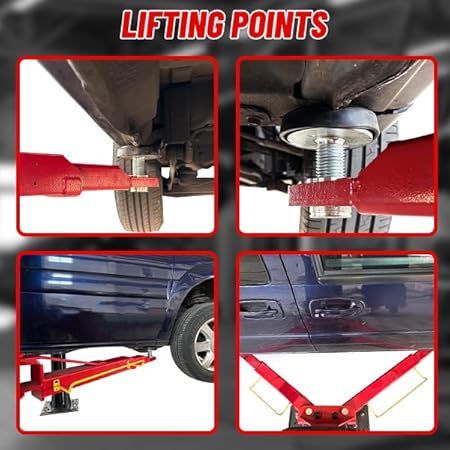


Description
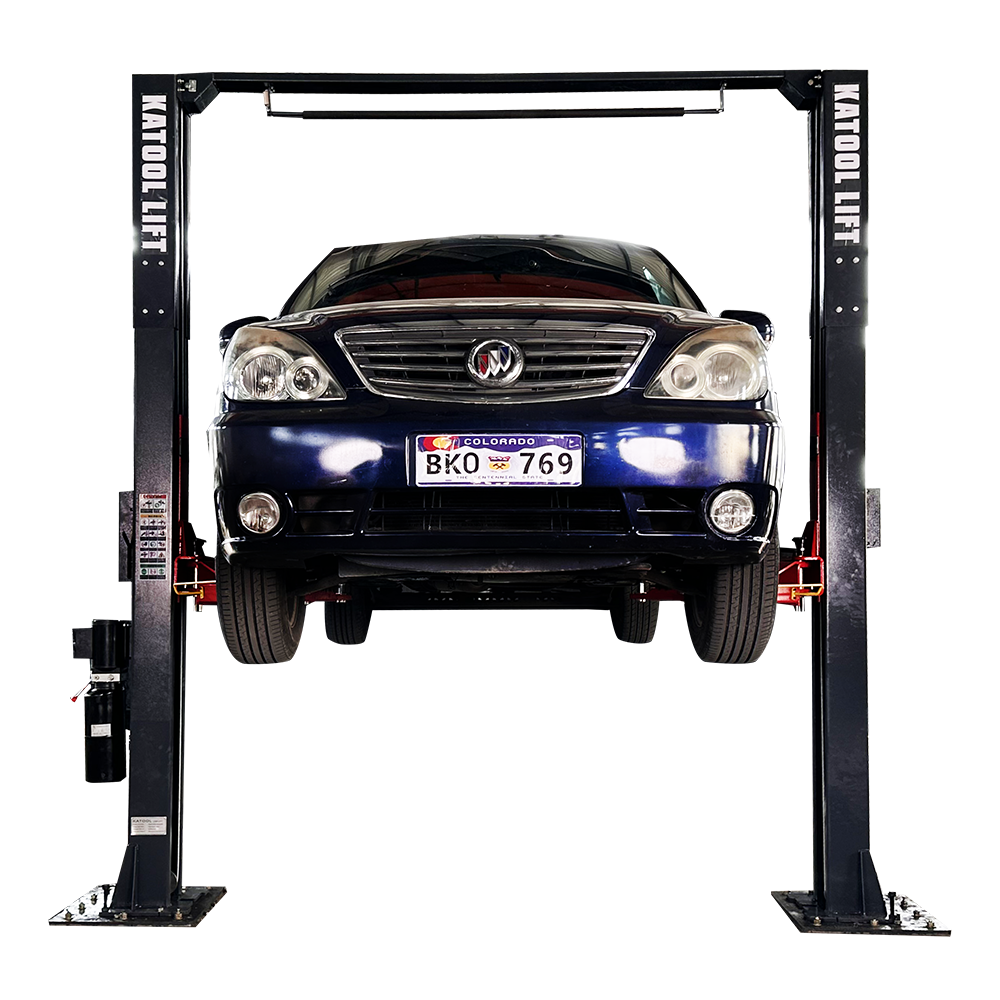
KATOOL Automotive Equipment KT-AM120SD Two Post Lift
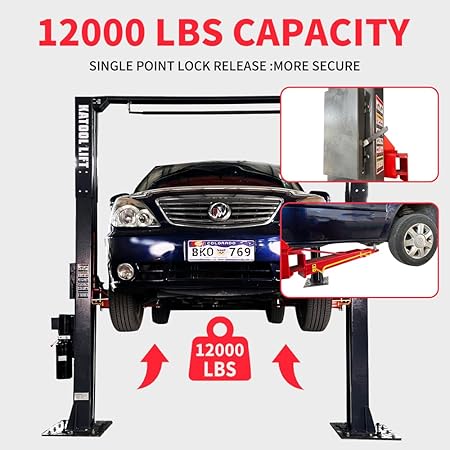
The KATOOL Automotive Equipment KT-AM120SD Two Post Lift is a heavy-duty, professional-grade lift engineered for strength, stability, and reliable performance. With a 12,000 lb lifting capacity, this clear-floor two-post lift is designed to accommodate a wide range of vehicles, including cars, trucks, and SUVs.
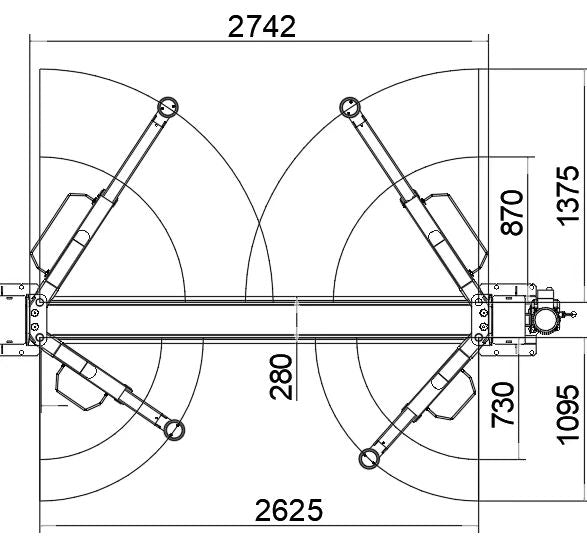
Its asymmetric arm configuration helps provide flexible vehicle positioning and improved door clearance, while the single-point lock release allows for convenient operation from one location. The clear-floor design keeps the workspace beneath the vehicle open and accessible, making the KT-AM120SD a practical choice for professional repair shops, service centers, and other automotive work environments.
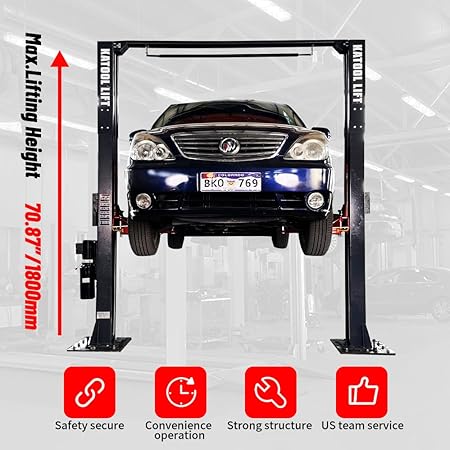
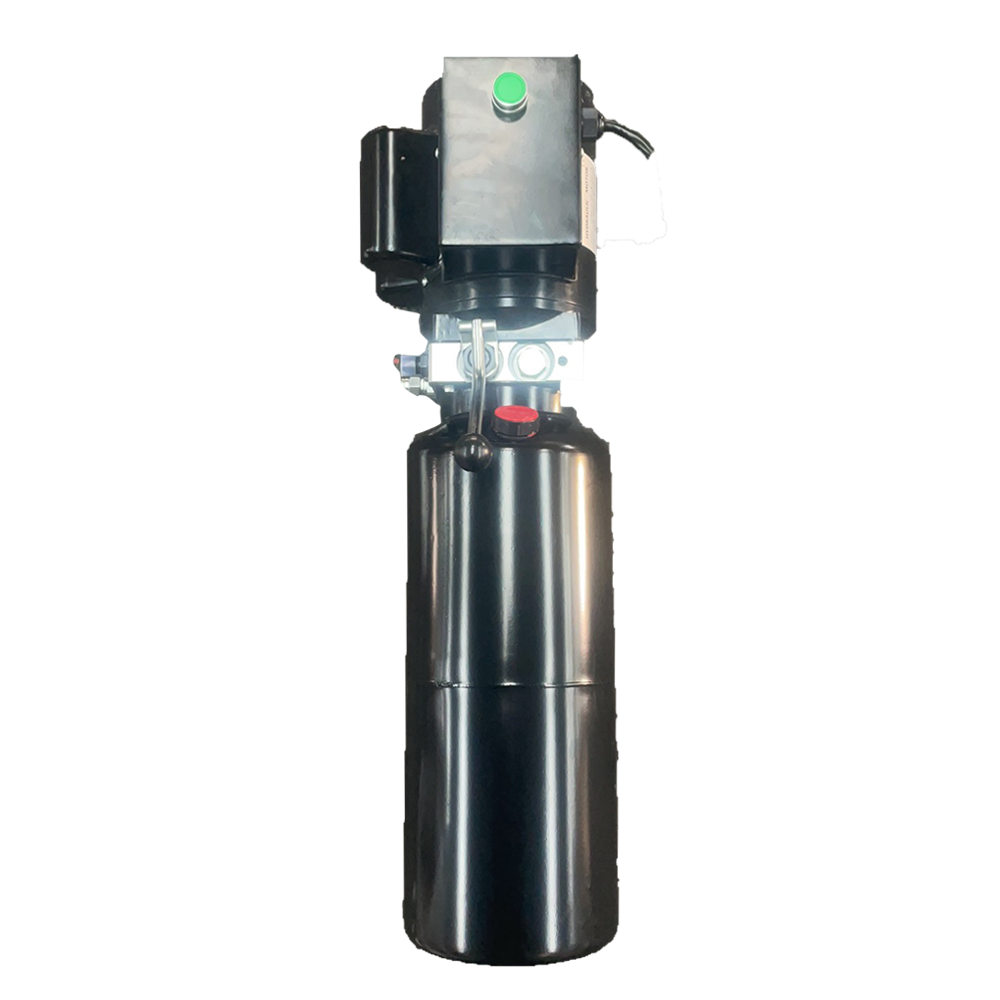
The KT-AM120SD comes standard with a 220V single-phase hydraulic power unit. A 110V power unit upgrade is available for an additional $299, providing an alternative for locations where 220V power is not available. With a low approximately 4.3-inch minimum pad height and a maximum lifting height of approximately 70.9 inches, the lift provides the range needed to service a variety of vehicle types.
Key Features
-
12,000 lb lifting capacity for cars, trucks, and SUVs
-
Asymmetric arm design for flexible vehicle positioning and improved door clearance
-
Single-point lock release for convenient operation
-
Clear-floor design for unobstructed workspace beneath the vehicle
-
Approximately 4.3-inch minimum pad height for easier access to lower-clearance vehicles
-
Approximately 70.9-inch maximum lifting height
-
220V single-phase power unit included standard
-
Optional 110V power unit upgrade available for $299
-
Heavy-duty hydraulic lifting system designed for professional automotive service
-
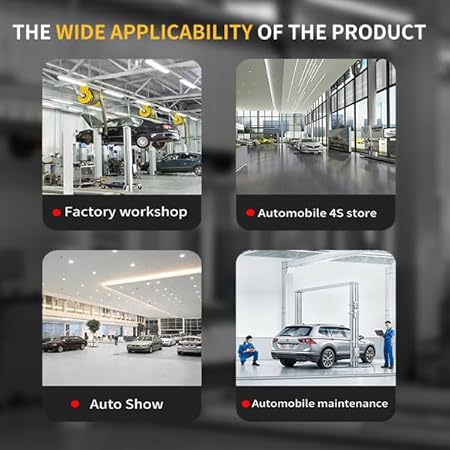
Ideal for repair shops, service centers, garages, and fleet maintenance facilities
KT-AM120SD Car Lift Specifications
| Specification | Details |
|---|---|
| Model | KT-AM120SD |
| Product Type | Two Post Lift |
| Lift Configuration | Clear-floor / asymmetric arms |
| Lifting Capacity | 12,000 lbs |
| Max. Lifting Height | 70.87 in / 1800 mm |
| Min. Lifting Height | 4.25–4.33 in / 110 mm |
| Overall Height | 143.7–144 in / 3650 mm |
| Drive-Thru Clearance | 94 in |
| Motor Power | 4.0 HP |
| Power Requirements | 220V / 60Hz / 1PH |
| Locking Positions | 12 |
| Product Weight | 1,369 lbs |
Installation Requirements
-
Minimum concrete thickness: 5.9 in / 150 mm
-
Minimum concrete strength: 3,000 PSI
Understanding Two-Post Lift Weight Capacities
Two-post lifts are essential in automotive shops, but selecting the appropriate lift with the correct weight capacity is crucial for safety and equipment longevity.
Typical Weight Capacities
Two-post lifts generally have weight capacities ranging from 7,000 to 20,000 pounds, accommodating various vehicles from light-duty cars to heavy-duty trucks. It's important to note that each lift arm also has its own weight limit. For instance, a lift with a 10,000-pound total capacity may have each arm rated for 2,500 pounds. Therefore, if a vehicle's weight distribution exceeds this per-arm limit, the lift may not be suitable.
Calculating Required Lift Capacity
To determine the appropriate lift capacity:
Calculate Rear Axle Weight: Multiply the vehicle's total weight by the distance from the center of gravity to the front axle, then divide by the wheelbase.
Calculate Front Axle Weight: Subtract the rear axle weight from the total vehicle weight.
Determine Arm Capacity: Divide each axle's weight by two to find the load per arm.
For example, if a vehicle weighs 9,000 pounds with a 6,000-pound front axle and a 3,000-pound rear axle, each arm would need to support 3,000 pounds. In this case, a 10,000-pound lift with 2,500-pound arms would be insufficient. Opting for a 12,000-pound lift would be safer.
Importance of Choosing a Lift with Adequate Capacity
Selecting a lift with a capacity that exceeds the vehicle's weight requirements is advisable. This accounts for variables like vehicle modifications, additional equipment, or unexpected weight distributions. Many manufacturers recommend not exceeding 75% of a lift's rated capacity to maintain safety m